

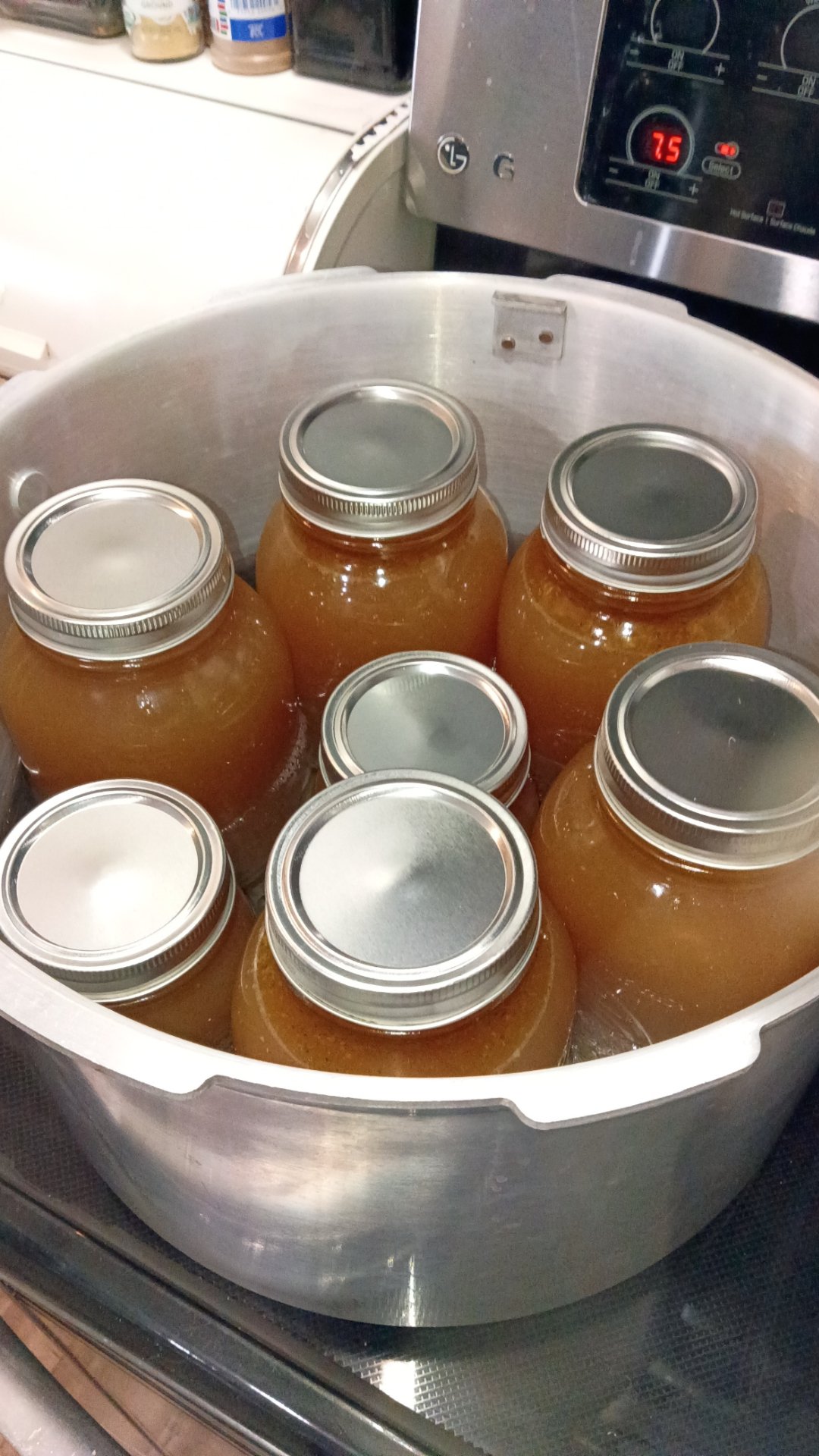
Chicken Foot Bone Broth
“Something special” was Chicken bone broth, BABY! Mmm, mmm, good! We loaded it with carrots, onions, bell peppers, celery, chicken feet, and plenty of garlic, then turned it into a rich homemade broth.
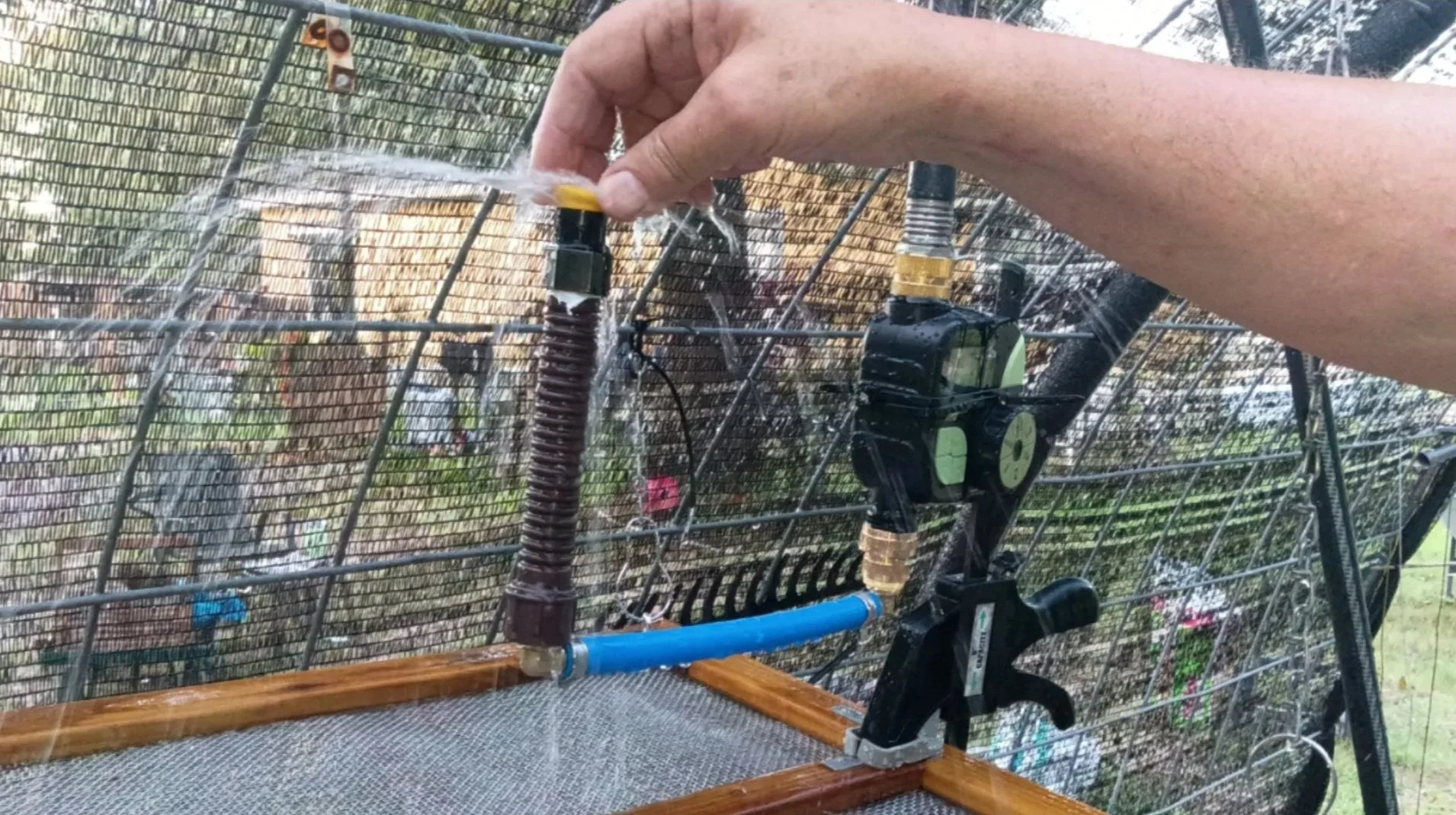
Building a Fodder Watering System:
“We got the timer programmed and gave it a go.”
After adjusting the sprinkler head and the hose splitter valve, T-Bone felt pretty good about the process.
But this is only the Proofing Attack.
The Off-Grid Attack comes next.
Read Building a Fodder Watering System: Part One, The Proofing Attack in The Root Cellar at T-Bone’s Place.
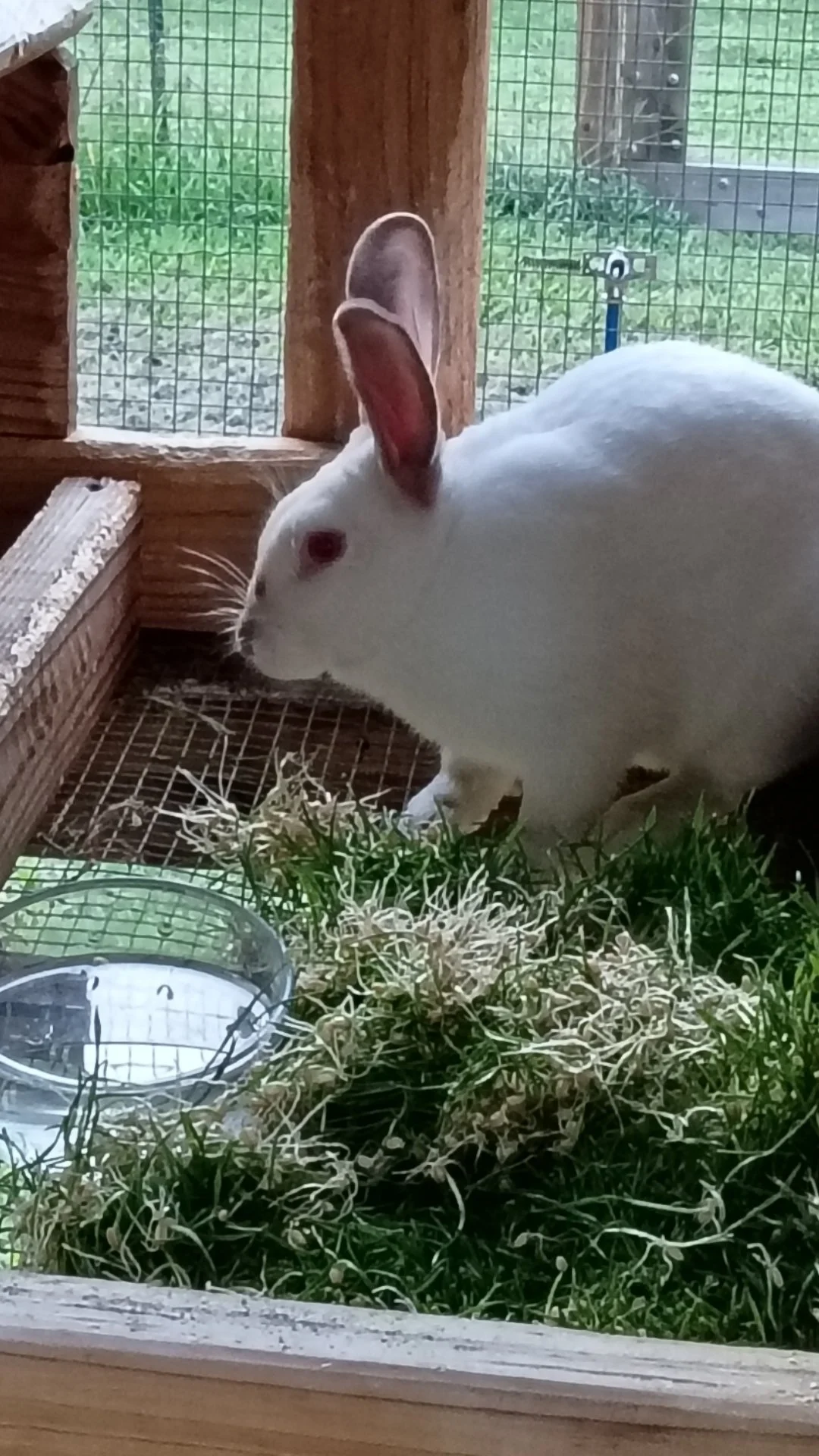
Fodder: What Hopped, What Flopped, and What's Next?
Our latest wheat fodder experiment gave us a few wins, a few flops, and a whole new set of questions. From an early Day-3 harvest to seeing how much the rabbits actually ate, we are learning what works, what needs fixing, and where this fodder project may take us next.

Ball Jars: From Wooden Cans to the Stars, Part Three
By 1930, Ball had grown into a sprawling industrial network built around glass, closures, rubber seals, paper products, machinery, and commercial packaging.
Part Three follows the company through the Great Depression, the purchase and closure of Three Rivers Glass Company, the federal antitrust case, the changing postwar household, and Ball’s unexpected turn from pantry jars toward aerospace.

Ball Jars: From Wooden Cans to the Stars, Part Two
By 1910, Ball was no longer simply a fruit-jar company in Muncie. The brothers had spent decades buying factories, machinery, molds, and competitors, and they were beginning to knit those pieces into a much larger industrial network.
Part Two follows Ball into Texas, through the First World War and the rise of home canning, the company’s 1922 name change, and the 1925 purchase of Schram, which brought the Drey jar line into the Ball system.
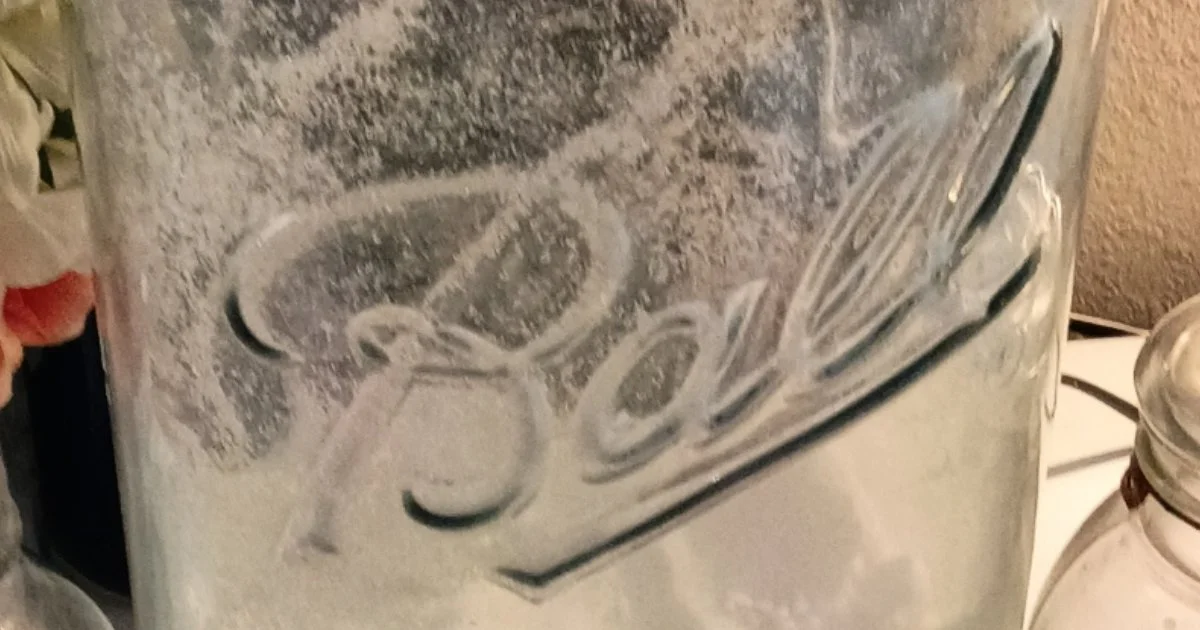
Ball Jars: From Wooden Cans to the Stars
Before Ball became the name stamped across pantry shelves, five brothers began with wooden-jacketed tin cans, borrowed money, and a willingness to move wherever opportunity opened the door.
Part One follows the Ball brothers from Buffalo to Muncie, through their early glassmaking years, aggressive expansion, and the 1909 Greenfield purchase that helped transform Ball into a growing glass empire.
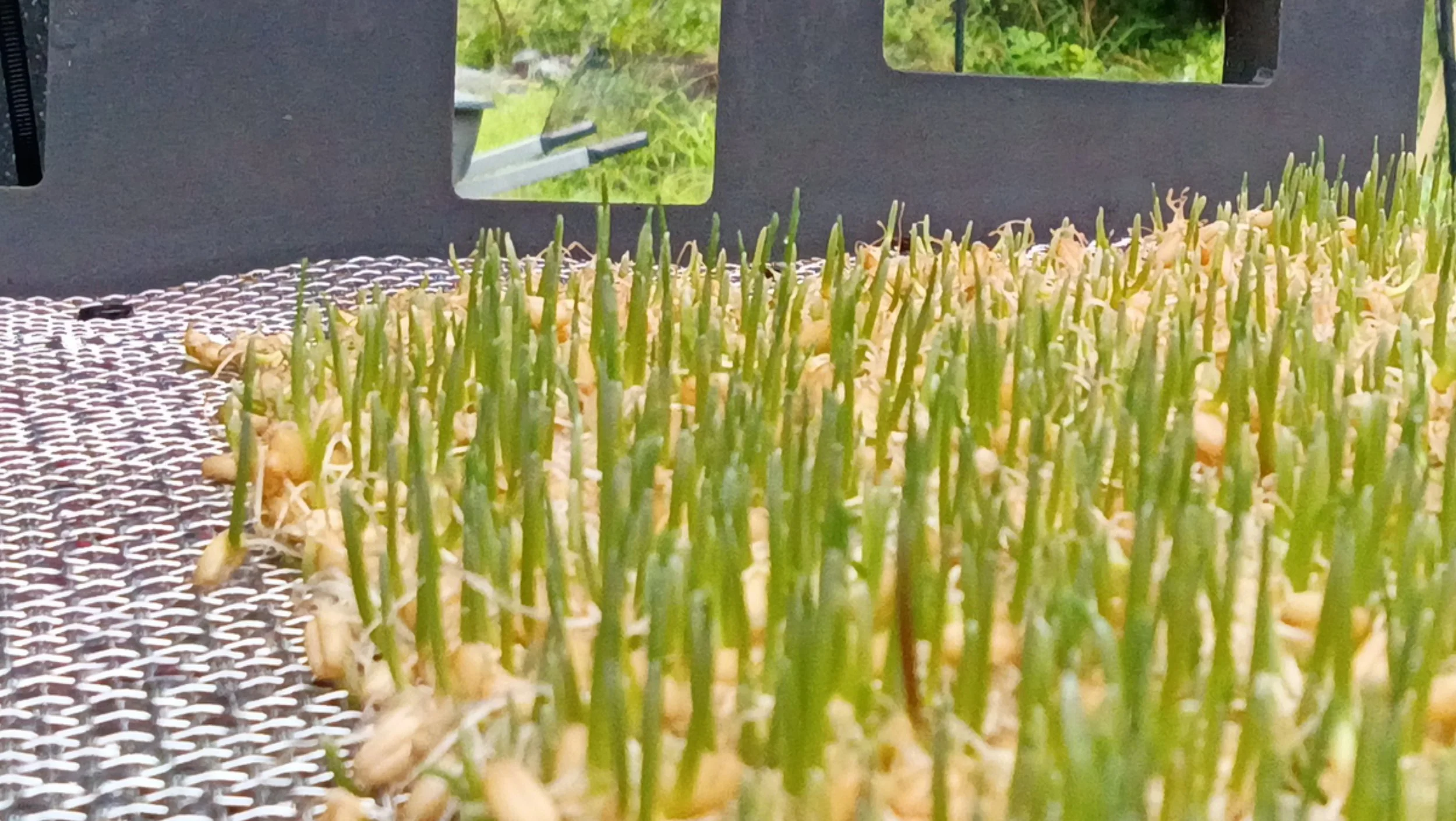
From Jar to Rack: What Happens When Fodder Starts to Sprout
This is where our fodder project moves from soaking seed in a mason jar to real living growth on the rack. In this follow-up to our fodder rack rebuild, we track hard white wheat berries through rinsing, draining, root tails, blackout, hand watering, green shoots, and the big question waiting at the end: will the rabbits eat it?
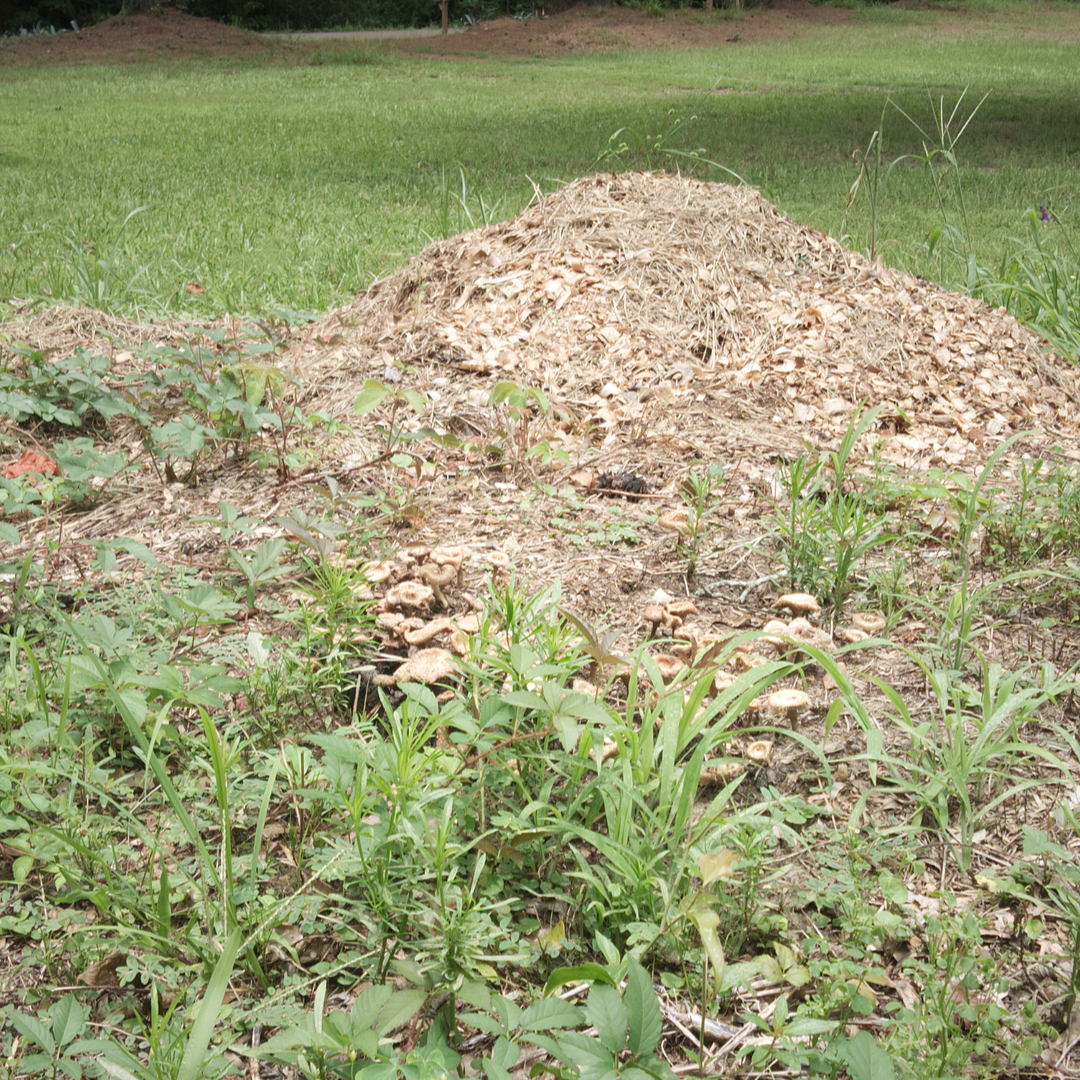
How We Build Living Soil Without Buying Bagged Soil Amendments
At T-Bone’s Place, living soil does not start with a bag from the garden center. It starts with what the farmstead already gives back: rabbit bedding, hay, bunny berries, feed waste, air, moisture, and time. “Here’s how we turn rough organic material into rich, usable soil without buying bagged amendments.
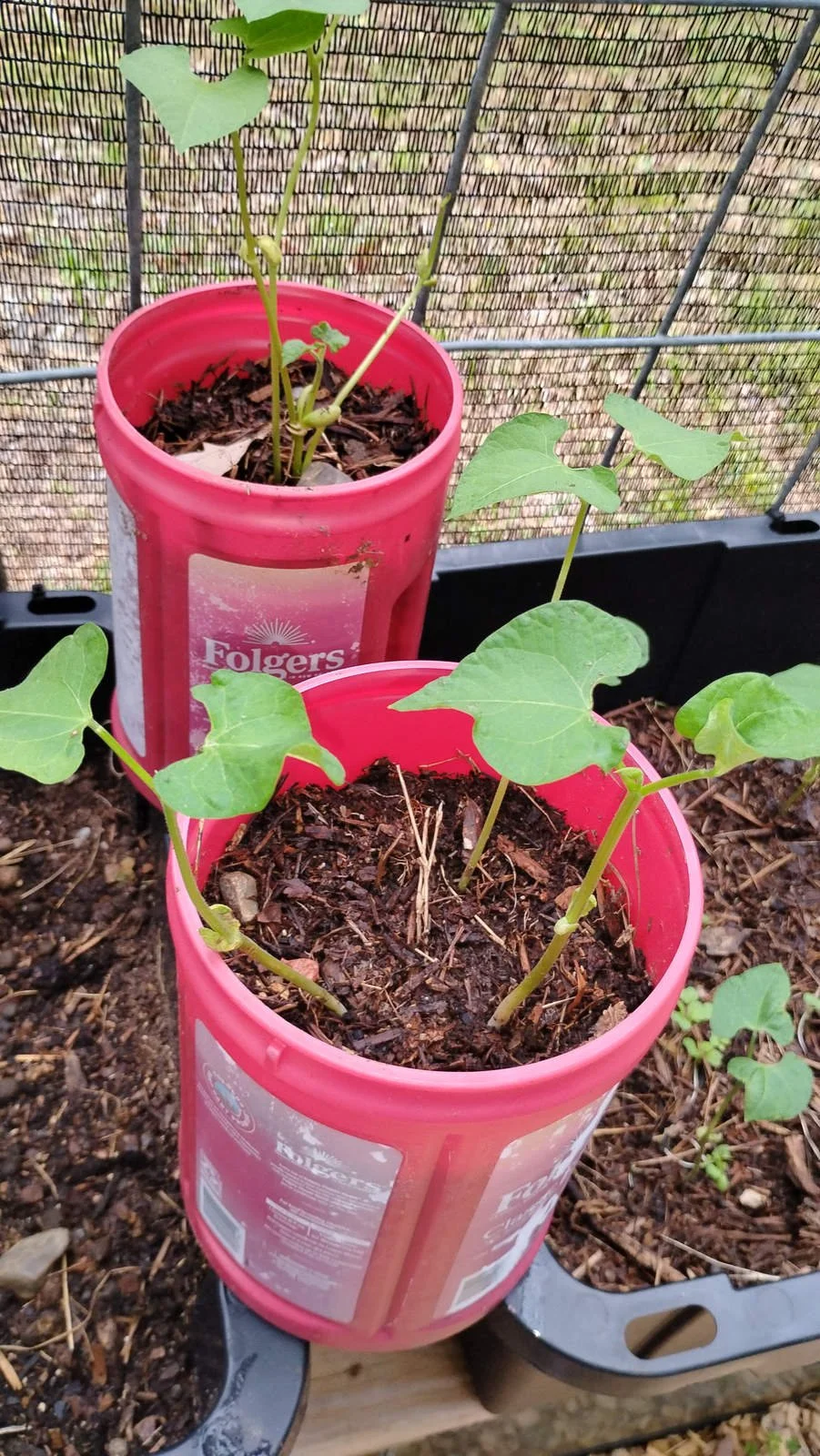
How T-Bone’s Place Creates Bountiful Buckets™
Bountiful Buckets™ are built from more than soil, seeds, and recycled containers. Each one carries a little bit of our greenhouse, our rabbitry, our compost piles, our weather lessons, and our real-life farmstead learning. At T-Bone’s Place, they are one small way we share what has worked for us, what we are still learning, and what can be possible when folks grow with what they have.