How We Build Living Soil Without Buying Bagged Soil Amendments
At T-Bone’s Place, our living soil starts with rabbit bedding, hay, bunny berries, feed waste, time, air, and composting, not perlite, vermiculite, or another bag from the store.
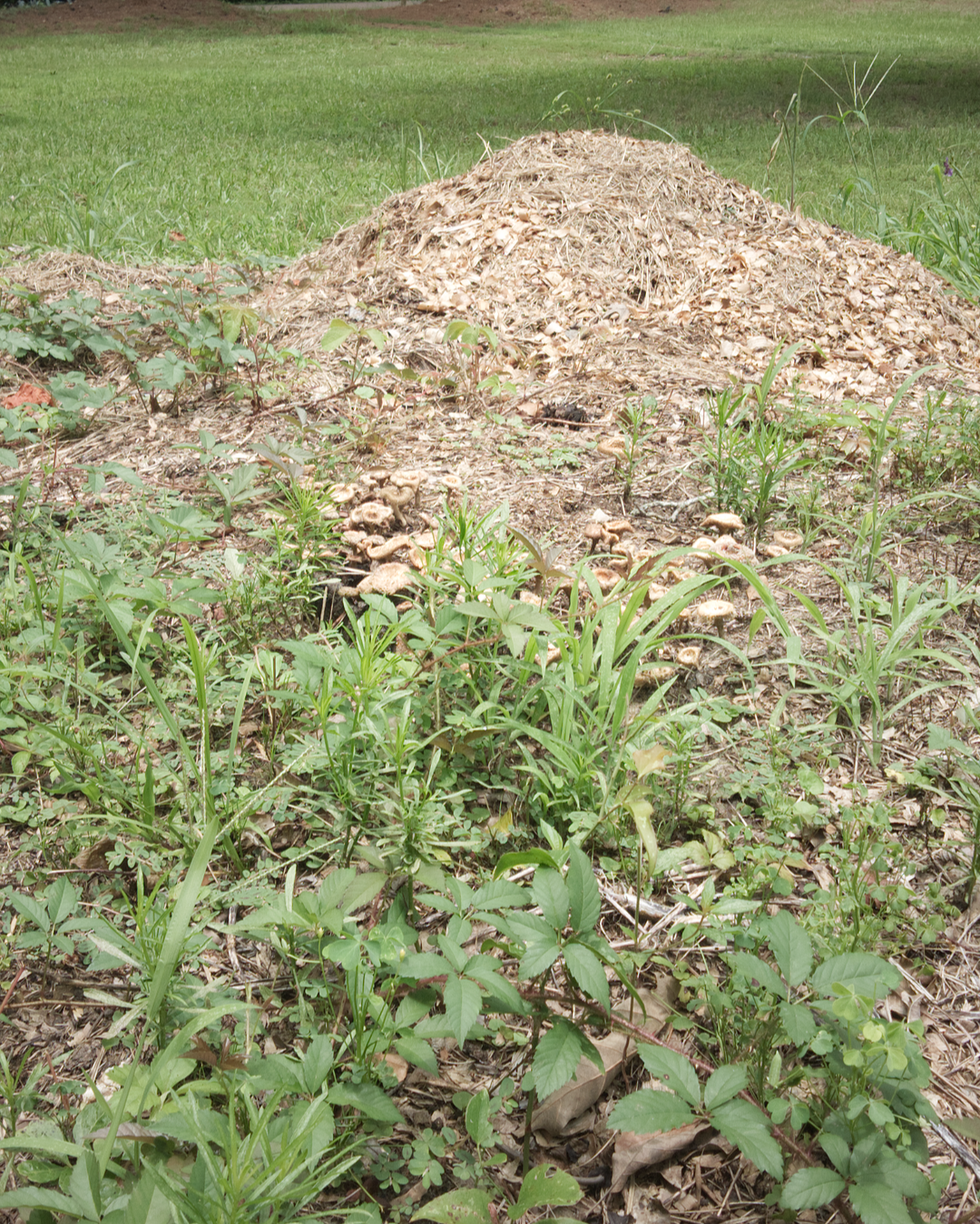
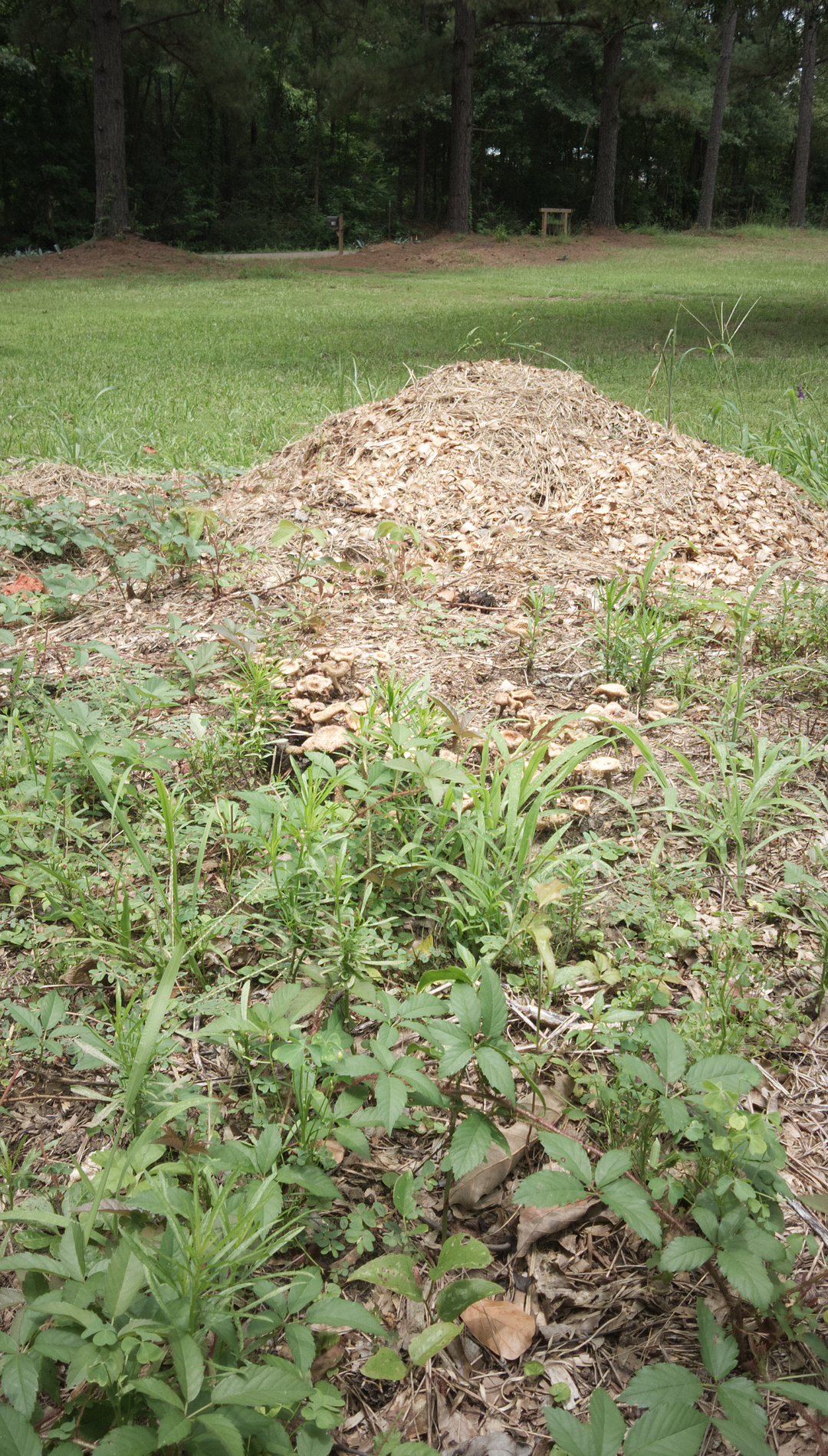
One of our working compost piles at T-Bone’s Place, where rabbit bedding, hay, feed waste, air, moisture, and time begin turning farmstead leftovers into living soil.
What Does Living Soil Mean?
Living soil isn’t just your garden variety dirt. 😉🪴
Let’s get down on our bellies for a minute, crawl around, and take a closer look at what is really going on under our feet.
Living soil is not stagnant, dead dirt. It is full of tiny life doing quiet work every day. There are microbes, fungal threads, microscopic soil feeders, and itty-bitty soil worms moving through the material like a miniature construction crew.
Some of them break down old leaves, hay, bedding, manure, and plant matter. Some help release nutrients. Some help create little pathways for air and water. Together, they keep the soil cycle moving and help turn rough organic material into something plants can actually use.
That is the difference between dirt that just sits there and soil that is alive enough to keep building.
Why Compost Is the Foundation
When we began our journey here at T-Bone’s Place, we didn’t have bunnies. We didn’t have a greenhouse. We didn’t have much of anything except a lot of hope, some big dreams, and just enough experience in a few areas to get ourselves into a LOT of trouble. 🫣🤭😅
The first real farmstead piece we added was rabbits, and that was one of those things that seemed to happen almost before we fully realized what we were building. We brought home our first breeding pair of Californians in January of 2023, and T-Bone immediately began building the custom hutches.
Once the hutches were finished, the piling of the waste began. So did the composting.
It was not some big planned project in the beginning. It happened naturally. The rabbits produced manure. The bedding collected underneath them. Hay, pellets, shavings, bunny berries, and urine all became part of the same pile. What could have been treated as waste started turning into something useful.
Looking back, I think composting was something we were always meant to do here. Almost as if it is part of T-Bone’s inherent personality, or its genetic make-up. 🫶
Compost became the foundation because it taught us one of the first real lessons of this place: nothing good has to be wasted if we are willing to slow down, pay attention, and let it break down into something the soil can use.
What We Use in Our Living Soil Mix
Here at T-Bone’s Place, living soil is just as much about what is not in the mix as what is in it.
A lot of DIY living soil recipes online call for perlite, vermiculite, pumice, or some other store-bought aeration amendment. I understand why folks use them. They help with drainage, spacing, and keeping soil from packing too tightly.
But that is not how I build mine.
For one, I do not want to keep purchasing extra ingredients if I already have useful material here on the farmstead. And when it comes to vermiculite especially, I have never been fully comfortable with it. There is a documented history of asbestos-contaminated vermiculite in the United States, especially tied to vermiculite from the Libby, Montana mine.[i] Because of that history, I choose to pause before bringing it into my soil system.
I am not telling every grower what to do. I am saying I would rather build with what I know, what I can see, and what we already have.
Our mix is not fancy. It comes mostly from the rabbit side of the farmstead: pine and cedar shavings, bunny berries, rabbit urine dispersed through the bedding, regular hay, timothy hay, and even leftover rabbit pellets.
At first, it may not look like soil at all. It looks like bedding, feed waste, manure, hay, and chores.
But given time, moisture, air, and breakdown, that rough mix turns into something beautiful. It becomes dark, rich, earthy dirt with structure to it. The shavings and hay help create space. The bunny berries and urine bring fertility. The old feed and plant material break down into organic matter.
Instead of buying a bag of something to add life to the soil, we let the farmstead waste become part of the soil cycle.
That is the part I want folks to understand: living soil does not have to start at the garden center. Sometimes it starts under the rabbit cages, in the bedding pile, or anywhere organic material is being gathered, used, aged, and broken back down.
[i] Source note: The U.S. Environmental Protection Agency says a mine near Libby, Montana supplied more than 70 percent of vermiculite sold in the United States from 1919 to 1990, and that vermiculite was contaminated with asbestos. Source: EPA, “Protect Your Family from Asbestos-Contaminated Vermiculite Insulation.”
What Can Go Into Compost
We realize that not everyone has rabbits and all the goodies they provide for composting. With that in mind, we thought it would be helpful to put together a general list of things most people have or deal with on a regular basis that are safe to compost.
This applies whether you are composting in a pile like we do, using a compost tumbler, or collecting scraps in a kitchen counter system before moving them outside.
These are the items that help a compost system flourish and thrive. Think of it like feeding the tiny soil workers. When you give those microbes the right kind of “diet,” they can get to work breaking things down into something useful.
Safe Compost Starter List: Things That Understand the Assignment
Fruit and vegetable scraps: peels, cores, ends, and leftovers that are not greasy or cooked in heavy oils
Coffee grounds and tea leaves: small daily scraps that add nitrogen and break down easily
Eggshells: rinsed and crushed so they break down faster
Leaves and dry grass: good “brown” material that helps balance wet kitchen scraps
Plain cardboard and paper: torn into small pieces, with tape, plastic, and glossy coating removed
Garden cleanup: old plants, stems, vines, and trimmings, as long as they are not diseased or sprayed
Hay, straw, or old bedding: helpful for structure, airflow, and carbon, especially when aged or mixed well
Herbivore manure: rabbit, goat, sheep, horse, or cow manure, used with proper aging and composting
Wood shavings or sawdust: untreated wood only, used lightly and balanced with wetter green material
Plant-based leftovers: stale bread, plain grains, old herbs, and wilted greens, added in small amounts
When in doubt, leave it out until you know how it breaks down.
These items can break down in a composting system without creating the kind of nasty rot you do not want. The goal is not a stinky, slimy mess. The goal is clean, usable compost that smells earthy, fresh, and alive when it is ready.
What to Avoid
Now that you’re well versed on what to feed your composter, let’s get just as informed on the “Let’s Not” list.
There are some things you really do not want to put into a home composting system, whether you are using a pile, a tumbler, or a kitchen scrap setup before moving things outside.
Doing so can turn a healthy compost system into a stinky, pest-attracting, nasty mess. 🤢🤮 And sometimes, once it goes that far sideways, there isn’t much coming back from it. You may have to start over. 😪
Yes, we have made this error in judgment. No, we don’t want to discuss it. Just let us live quietly in our shame. 😔
These are not casual suggestions. For home composting, these are the “please don’t break these rules unless you enjoy regret” kind of rules.
What NOT to Put in Compost: Things That Do Not Understand the Assignment
Meat, bones, and fish scraps: these can attract pests, create strong odors, and rot in the wrong way
Dairy products: milk, cheese, yogurt, butter, and creamy foods can sour, stink, and attract unwanted critters
Greasy or oily foods: heavy oils, fried foods, and greasy leftovers can slow breakdown and create bad smells
Pet waste from dogs or cats: this can carry pathogens that do not belong in garden compost
Diseased plants: sick plants can spread problems back into the garden if the pile does not get hot enough
Weeds with mature seeds: these can survive and come right back when the compost is used
Sprayed or treated yard waste: grass clippings, leaves, or hay exposed to herbicides or pesticides can damage plants later
Glossy paper, plastic-coated cardboard, tape, and stickers: these do not break down cleanly and can leave trash in the compost
Charcoal ash or coal ash: these can contain things you do not want in garden soil
Large amounts of citrus, onion, or spicy scraps: a little may be fine, but too much can throw off the pile and slow things down
A good compost pile should smell earthy, not rotten. If something is likely to stink, draw pests, spread disease, or leave behind chemicals, it does not belong in the pile.
These items can break down incorrectly, fail to break down at all, carry unwanted chemicals, attract pests, or contaminate the clean, usable compost you are trying to create. In other words, they can sabotage your efforts before your compost ever really gets going.
How to Use Compost to Build Living Soil
We are in our third year of working our compost piles here at T-Bone’s Place.
I know the picture may make them look small, but that is because these are piles we actually use in our greenhouse, buckets, totes, and planters. They are not just sitting there for show. They are working piles.
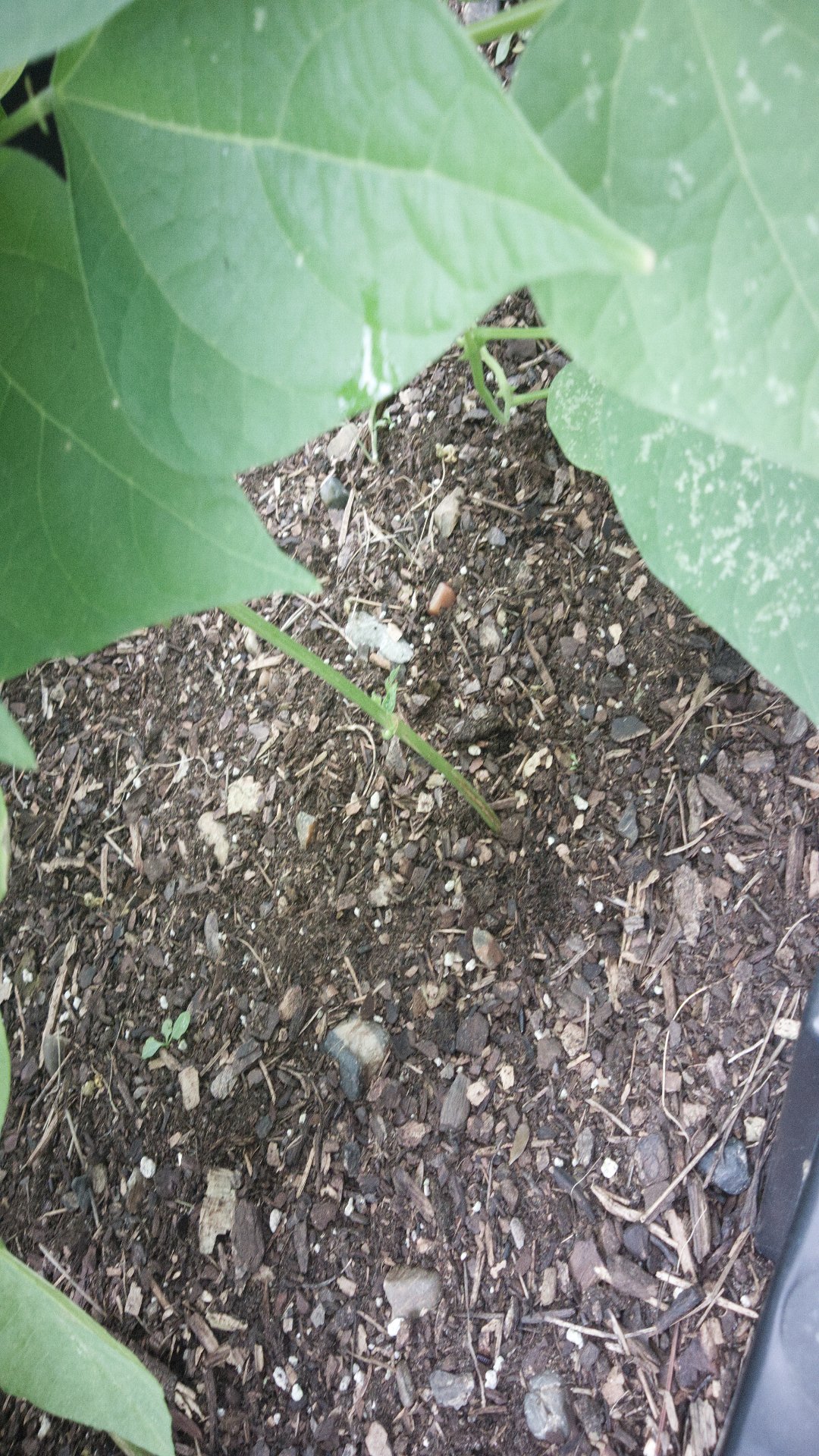
When we first installed the greenhouse, we did purchase some starter materials. We used coconut coir, peat, and a small amount of organic manure to fill six 27-quart totes, and I believe we filled some 5-gallon buckets as well.
After that initial start, we stopped buying bagged soil and amendments.
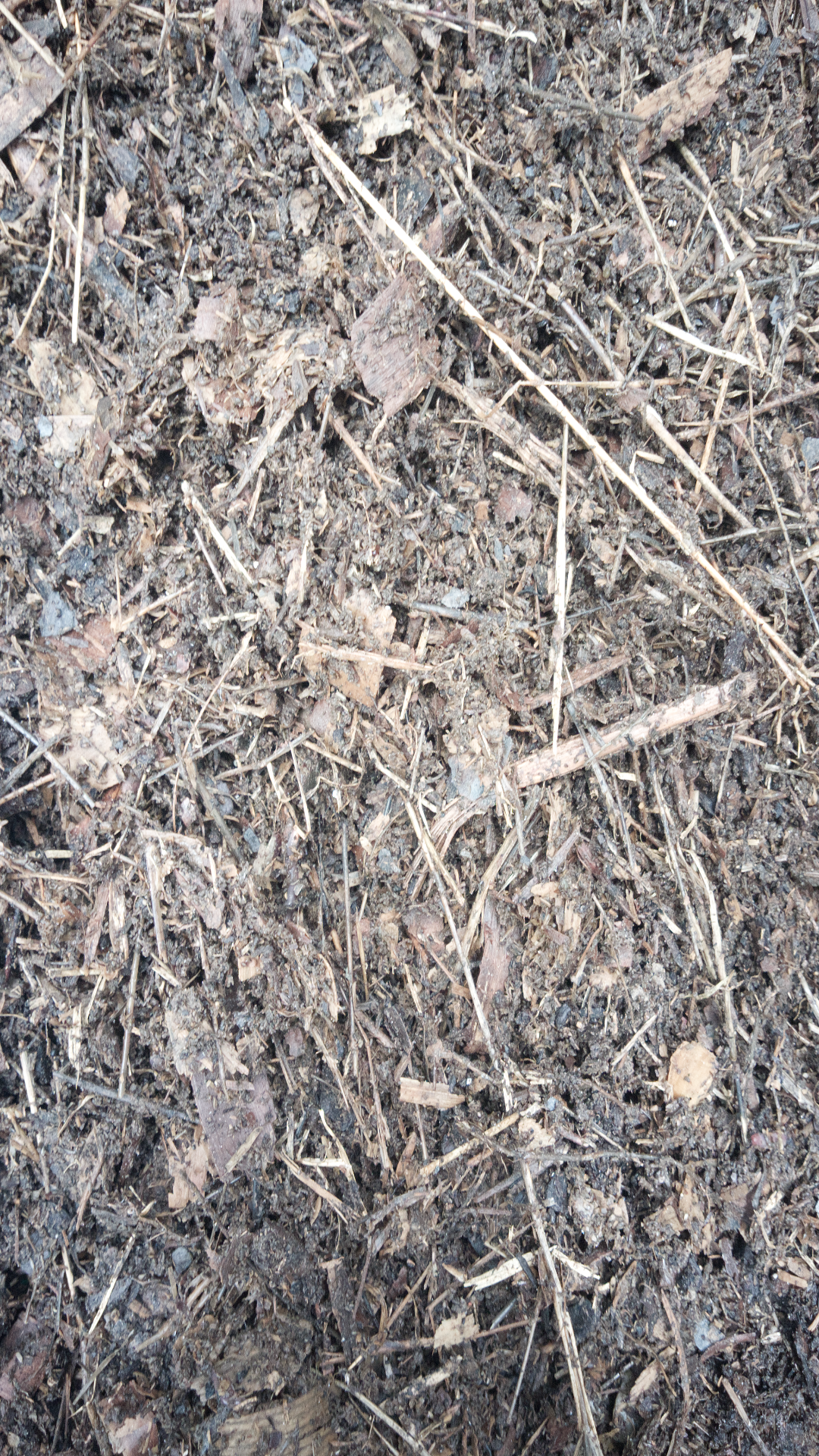
Since then, we have amended the totes, buckets, and other planters on the farm with compost from the bottom of our own pile. That bottom layer is where the good stuff settles. It is rich, dark, and full of life-giving goodness for the plants.
There are little twigs, fibrous bits, aged bedding, broken-down hay, and organic matter mixed through it, so the soil does not pack down tight. That structure helps create little air spaces and pathways for moisture. For our system, we do not need vermiculite to do that job.
There are also plenty of little bugs and critters running amok in their home sweet home, helping break things down and move nutrients through the mix. This is the dirt our greenhouse is built on. This is the dirt our Bountiful Buckets™ thrive on.
We just dig down to the bottom of the pile, scoop up that rich, dark, chocolatey goodness, and let it feed the plants the way good compost knows how.
Pretty simple, really.
Beginner Mistakes
Living soil takes time. It is a process.
Like most things on the farmstead, it is something you begin, tend to here and there, add to when needed, forget about for a little while, and then one day you discover that it worked.
Well, I’ll be dipped in fat and rolled in flour. How did that happen? 😁
Composting is often presented like a strict scientific formula. Add this much green material, this much brown material, turn it on this exact day, water it for this many minutes, and say three kind words to it under a full moon. 😅
I hate to burst everyone’s bubble, but here at T-Bone’s Place, we do not do all that.
We keep it much simpler. Our living soil system is built from what our farmstead already gives us:
Bunny berries
Bunny urine, aged in the open air and dispersed through cedar shavings, hay, and feed waste
Cedar shavings, aged in the open air on the ground under the hutches for 45 to 60 days before moving to the compost piles
Pine shavings from bedding, changed periodically in winter depending on circumstances
Hay, including straw, alfalfa, and timothy
Feed waste
Tea leaves, which we use to help encourage breakdown and discourage ants
Occasional pine straw
Our advice is to stick to the K.I.S.S. method: keep it simple, find a recipe that works for your place, pay attention to what the pile is telling you, and have some fun playing in the dirt.
The biggest beginner mistake is thinking compost has to be perfect before you start. It does not. It just needs safe ingredients, time, air, moisture, and enough balance that it does not turn into a slimy, stinky mess.
Living Soil Is Built, Not Bought
At the end of the day, living soil is not something we believe has to come from a bag, a brand, or a complicated recipe that makes you feel like you need a degree in dirtology before you can grow a veggie.
Here at T-Bone’s Place, our living soil started with rabbits, bedding, hay, feed waste, time, weather, air, moisture, and a whole lot of “well, let’s see what happens.”
And wouldn’t you know it?
It happened.
The rough stuff broke down. The pile got dark. The smell turned earthy. The bugs moved in. The greenhouse started depending on it. The Bountiful Buckets™ started thriving in it.
Now, does everybody need rabbits to build living soil? No. Of course not. But everybody can start paying attention to what their own place gives back. Leaves, grass clippings, kitchen scraps, old plants, cardboard, bedding, manure from safe herbivores, and time can all become part of the cycle when they are handled with a little common sense.
That is really the heart of it.
Living soil is not about making things harder. It is about letting the natural process do what it was designed to do. Gather the good stuff. Leave out the bad stuff. Give it air, moisture, and time. Let the tiny workers do their job.
Before long, you may find yourself standing over a pile of dark, crumbly compost thinking, “Well, I’ll be. We made dirt.”
And that, friends, is how a whole lot of farmstead magic begins.